


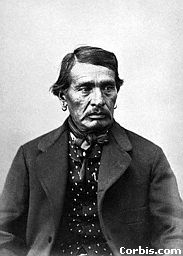
The Wichita Indians, of Caddoan stock, had separated from the Caddos proper about 1500 B.C., but the two peoples maintained close ties. In 1846, the various Indian tribes of Texas signed a far-reaching treaty with the United states. Both tribes were forced further westward, until in 1854 the Wichita were settled together with the Caddos, Wacos and Tawakonis on the Brazos Reserve (now Young County, Texas). This location proved to be doomed, because of hostile Northern Comanches who competed for hunting land and white settlers who competed for farm land.
At that time large numbers of the three Caddo confederacies (Kadohadacho, Natchitoches and Hasanai) joined the Whitebead village near Fort Arbuckle in the Indian Territory. Here they were successfully raising crops, and began making attempts to adopt to the white ways, shown by the leader Showetat, when he took the name George Washington.
The Tonkowas who were living in Texas with the Caddo and Wichita joined with the Republic of Texas against the Peneteka Comanches, Wichitas and Caddos, thus dooming any trust with those tribes. A common leader was accepted here who was called Iesh. Unsettled Northern Comanches were raiding both the Brazos Reserve and white settlements, resulting in white settlers becoming opposed to the Reserve Indians as well, and to oppose their existence. By 1859 many of the Wichita abandoned their village in the Reserve and joined the Whitebead in Indian Territory.
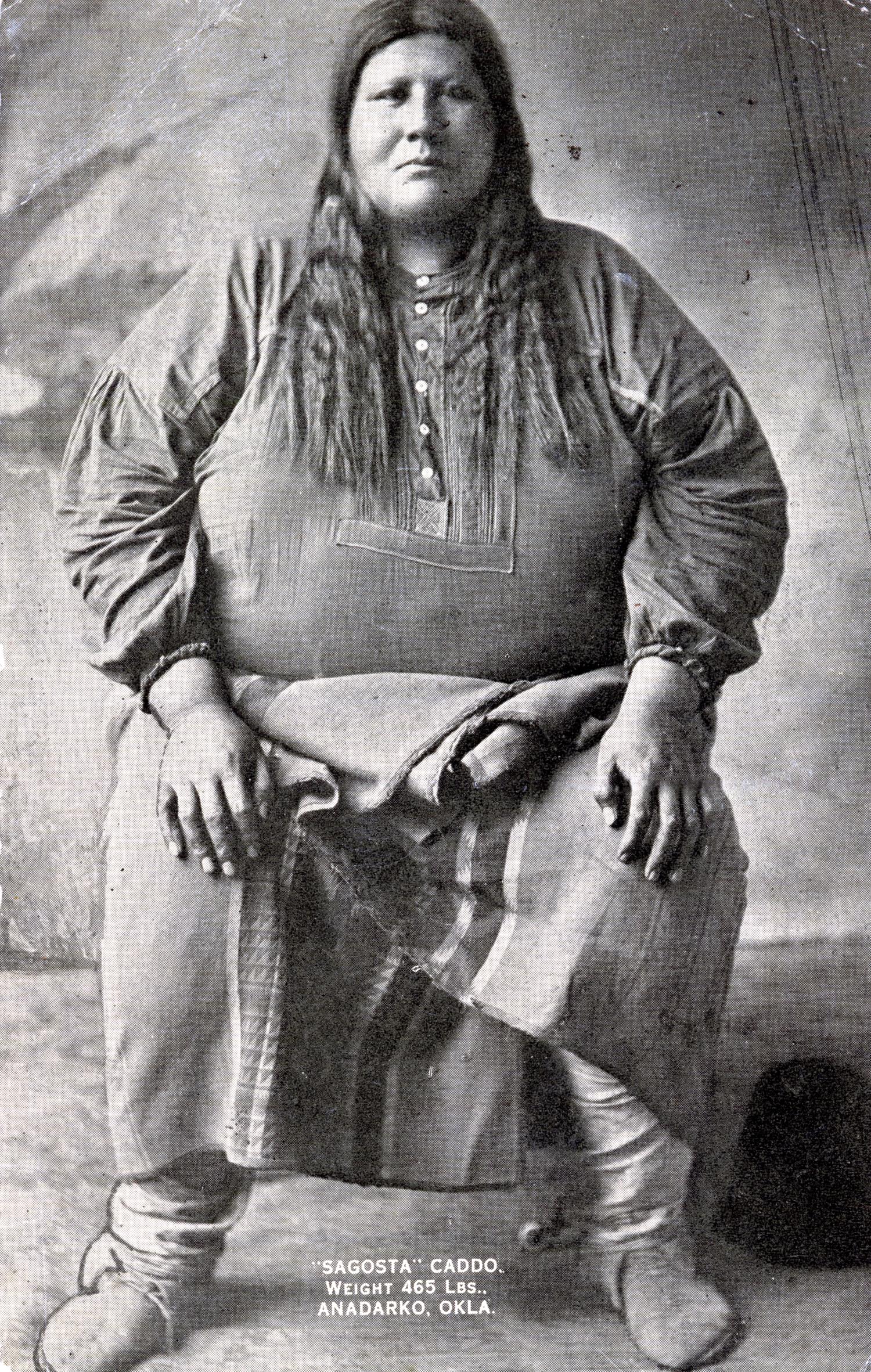
Later that year a treaty was made to move the entire population to the Leased District of Indian Territory. On July 31, 1859, the remaining tribes gathered together to begin their journey, leaving forever their traditional homes south of the Red River. In the party were 1,049 Indians - 462 Caddos, 344 Wichitas and 243 Tonkawas. There were also at least 1,000 horses and 500 head of cattle, and all were accompanied by U.S. troops, provided for protection from hostiles. They traveled over 150 miles in 17 days, with 6 deaths on the trail, one birth, and transportation of the tribes' livestock and property without damage.
An agency, called the Wichita Agency, was constructed in the new settlement. Military protection was again provided, because of fears from hostile Comanches and Kiowas. New villages were set up, all between three and 10 miles from the agency. The Wichita set up two villages near Fort Cobb. One was Isadowa's Taovayas, and Kichais joined Acaquash's Wacos and Ocherash's Tawakonis. The Caddos all moved near the mouth of Sugar Creek, and the chiefs of the three bands - Iesh of the Nadacos, Tinah of the Kadohadachos, and George Washington of the Whitebeads - had log cabins built for them. Also living in this area were the Shawnees and Delawares.
The outbreak of the Civil War in 1862 forced the Caddos (all except Washington's Whitebeads) and Wichitas to flee to Union-controlled Kansas, where they spent 5 years depending on rations from Union forces, because they were unable to raise crops or hunt buffalo. Hunger, exposure and disease caused both tribes to experience great population losses. By 1866, the 200 Washington's Whitebeads had also joined the Kansas party, along with 300 Penateka Comanches. The 5 miserable years the Caddos and Wichitas spent together in Kansas worked to tighten the bonds between them, ensuring that their fates would be intertwined for many years to come.
The return to the Wichita Agency occurred in 1867, and the tribes' reservation experience was begun, to last another 34 years.
On August 6, 1901 settlement of claims to the Wichita-Caddo and Comanche, Kiowa and Apache lands occurred after the drawing of names in a land lottery. With 2,080,000 acres available, nearly 170,000 people registered at El Reno and Fort Sill land offices between July 9 and July 28. The 6,500 names first drawn between July 29 and August 5 were the winners of claims. Kiowa, Caddo, and Comanche Counties were added to Oklahoma Territory.
The following counties, or portions thereof, now occupy the land of the Wichitas & Caddoes.
Page updated:

State Coordinator: Linda K. Lewis
Asst State Coordinator: Rebecca Maloney
Designed by Templates in Time